
A home renovation is an opportunity to improve comfort, appearance, and functionality. New flooring, updated cabinets, modern fixtures, and redesigned living spaces can transform a property. However, homeowners should pay attention to what is behind the walls and beneath the floors before focusing entirely on visible improvements. Existing plumbing problems can become much more difficult and expensive to address once renovation work is complete.
Inspecting and repairing the plumbing system before construction begins can help prevent disruptions later. It also allows plumbing work to be coordinated with the renovation instead of requiring newly finished surfaces to be opened again.
Repair Aging Or Damaged Pipes
Older pipes should be inspected before renovating kitchens, bathrooms, laundry rooms, or other areas where plumbing is present. Pipes can gradually develop corrosion, small leaks, weakened joints, or mineral buildup. These problems may remain unnoticed until construction exposes them or increased water use puts additional pressure on the system.
Read More: Upgrading Your Bathroom Starts With The Right
Replacing questionable sections of piping while walls or floors are already being opened can be more practical than waiting for a failure. Homeowners should also consider whether existing pipes are suitable for planned fixtures and appliances.
Address Slow And Clogged Drains
Drain problems should not be ignored simply because water is still moving through the pipes. A drain that repeatedly empties slowly may indicate buildup or another obstruction deeper within the drainage system.
Bathroom drains deserve particular attention before a remodel. For example, a homeowner dealing with a shower drain clogged Houston problem should consider having the cause identified before installing a new shower enclosure, tile, flooring, or drain fixture. Clearing the blockage beforehand can reduce the possibility of drainage trouble interfering with the newly renovated space.
Recurring clogs may require more than basic drain cleaning. An inspection can help determine whether buildup, damaged piping, poor drainage design, or another issue is responsible.
Fix Hidden Water Leaks
Small leaks can cause significant problems when they remain unnoticed for long periods. Water may collect beneath cabinets, behind walls, around fixtures, or under flooring. Renovating over an existing leak can conceal the problem further while moisture continues damaging surrounding materials.
Homeowners should inspect areas around sinks, toilets, showers, tubs, water heaters, and appliance connections. Signs such as staining, dampness, peeling finishes, unusual odors, or unexplained increases in water usage can justify further investigation.
Repairing leaks before renovation work begins provides a stronger foundation for new finishes and fixtures.
Check Water Pressure Problems
Water pressure can influence the performance and lifespan of plumbing fixtures. Pressure that is too low can make showers and faucets inconvenient to use, while excessively high pressure may place unnecessary strain on pipes, valves, fittings, and appliances.
Read More; Ways to Prepare for Furnace Replacement
Before adding upgraded showers, faucets, or water-using appliances, homeowners can have the existing pressure checked. If there is an underlying problem, addressing it before installing new fixtures can help the renovated space perform as intended.
Inspect Toilets And Fixture Connections
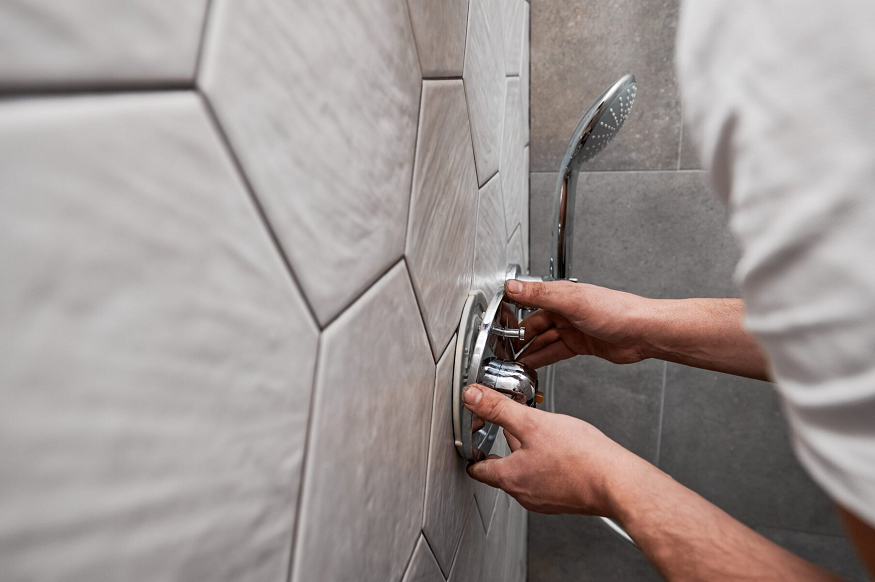
Bathrooms are among the most frequently renovated areas of a home, making existing fixture connections an important consideration. Loose toilet connections, deteriorated seals, leaking supply lines, and aging shutoff valves should be addressed before new flooring or cabinetry is installed.
Even when fixtures are being replaced, the plumbing connections behind them should be examined. Installing an expensive new fixture on a deteriorated connection can create unnecessary repair risks.
Evaluate The Water Heater
A renovation that adds a larger bathtub, additional bathroom, upgraded shower, or new water-using appliances may change household hot water requirements. An aging or undersized water heater might struggle to meet the increased demand.
Homeowners can evaluate the condition, capacity, and expected remaining service life of the existing unit before renovation. If replacement is already approaching, coordinating it with other plumbing improvements may make the overall project easier to manage.
Prepare The Plumbing Before Improving The Surface
Successful renovations involve more than attractive finishes. Pipes, drains, valves, connections, and water supply systems all contribute to how well a renovated kitchen or bathroom functions.
Taking care of leaks, clogged drains, deteriorated pipes, pressure problems, and aging connections before construction can prevent newly completed surfaces from being disturbed later. By including plumbing repairs in the early planning stage, homeowners can create renovated spaces that are not only visually appealing but also supported by reliable plumbing for everyday use.